In a clear and powerful statement, Deltek’s SVP of Product Strategy, Warren Linscott, has said “our customers are on a digital transformation journey, and as a trusted partner, we have the responsibility to enable this transformation”. Since its first steps back in 2010, Deltek Acumen has been a pioneer is schedule diagnostics and risk analysis. For more than a decade, Acumen has continuously been adopted by leading organizations across multiple industries including Construction, and Aerospace and Defense, just to name a few.
As part of our innovation and customer enablement, Deltek actively supports and develops the Deltek Acumen suite. Acumen 8.9, estimated to be released in November 2023, brings a variety of features that strengthen the analytical power of the tool while preparing the ground for future innovation (spoiler alert 😊).
Schedule Diagnostics
Acumen promotes schedule integrity as a fundamental element for successful project delivery. The introduction of Schedule Execution Metrics (SEM) as a default metric group allows users to assess the efficiency of the project delivery. Metrics such as the Baseline Realism Index (BRI) and Forecast Realism Index (FRI) highlight performance against what was initially agreed upon (Baseline) and assesses how realistic a project team’s expectations are on future completions and performance (Forecast).
That level of visibility on important KPIs has always been available within Acumen S2//Diagnostics. However, the key difference in version 8.9 is that those metrics are now standardised and gathered under the Schedule Execution Metrics (SEM) group. This helps the project controls community leverage the group of metrics and sets a solid benchmark for efficient project execution.
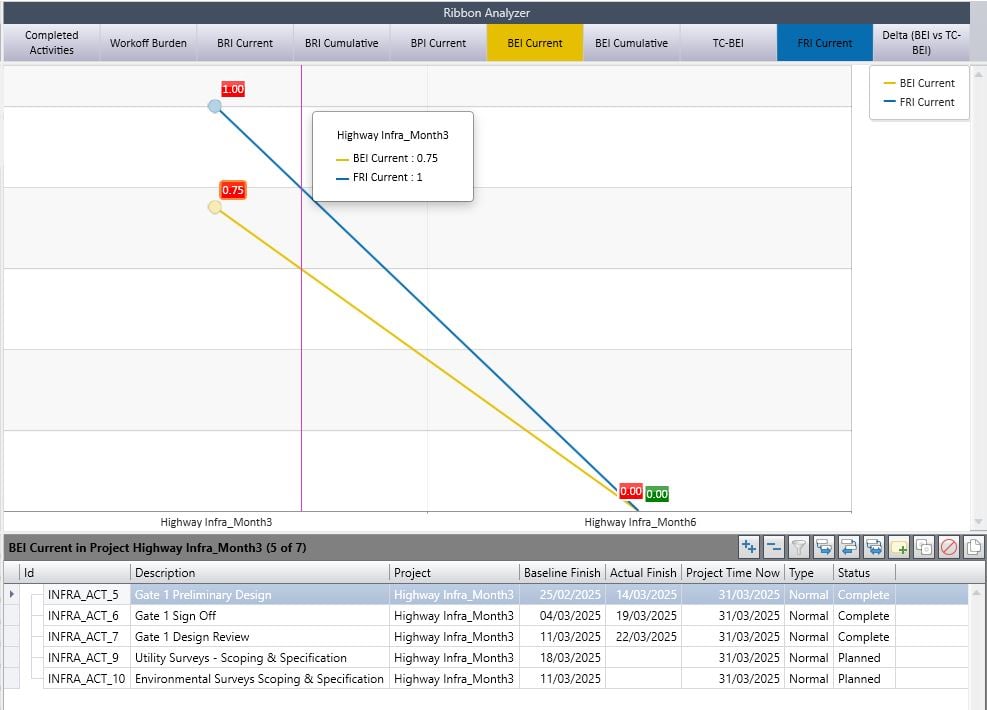
Picture 1: Baseline Execution and Forecast Realism Indices
Another strong capability of Acumen has been the ability of users to create calculated fields. In Acumen 8.9, users can define calculated fields at the project level, which provides visibility to data such as the earliest baseline start of any activity in a project for use in metrics.
Risk Analysis
Risk is an area of analysis with tremendous depth. Acumen offers a powerful engine for quantitative schedule and cost risk analysis (QSRA and QCRA). Capabilities have been enhanced or added and this article we will focus on the top three enhancements.
Risk Enhancement #1: Shared Risk Registers
Acumen introduces the capability for Risk Registers to be shared across multiple schedules, schedule updates or cost estimates. That flexibility helps users that maintain risk registers at program or portfolio level. Also, users can use a single risk register regardless of whether a risk relates to a Cost Risk or Schedule Risk.
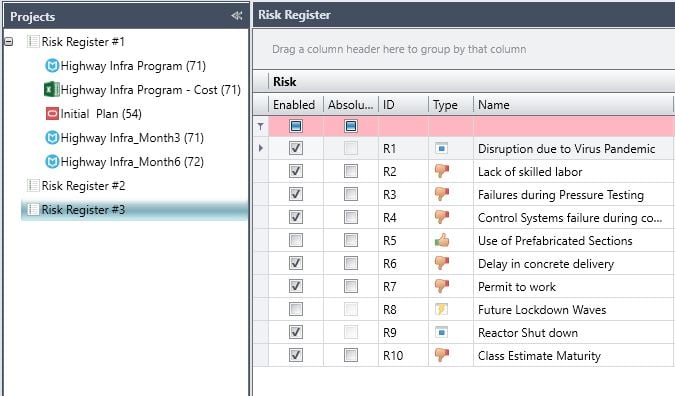
Picture 2: Shared Risk Register
Risk Enhancement #2: Risk Correlation
Risk Correlation is a fascinating topic. It refers to the degree to which the different risks move in relation to each other. This allows users to assess how two or more risks interact or co-move, which can have significant implications for decision-making and program management.
The complexity required during risk modelling led to the need for risk correlation. As a result, Acumen users can leverage this feature to simulate the cascading effects of dependencies across risks and opportunities (domino effect).
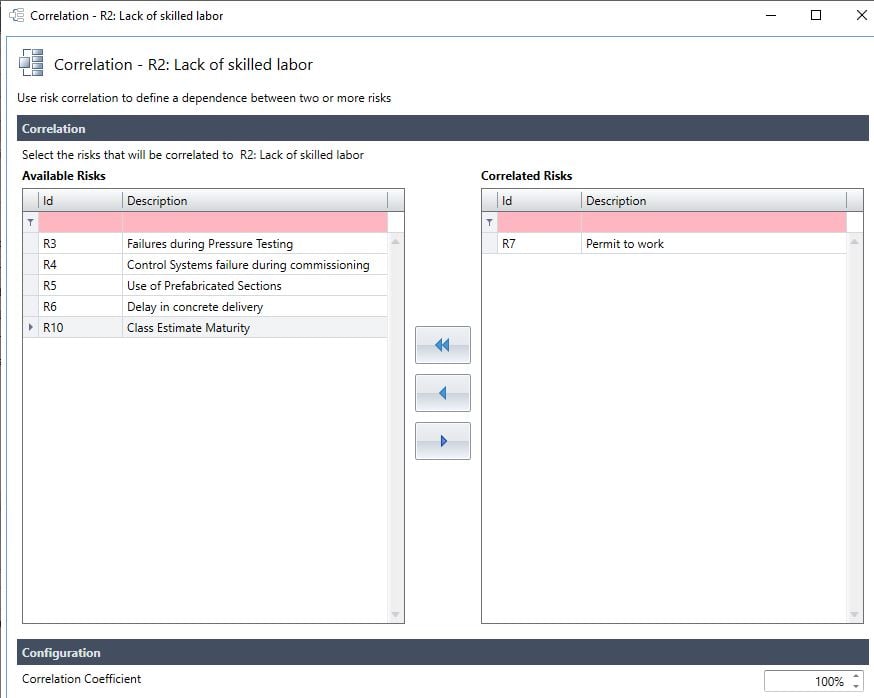
Picture 3: Risk Correlation
Risk Enhancement #3: Schedule Contribution on the Cost Risk Model
Tackling risk proactively is a key priority. However, effective mitigation requires identifying the true source of the potential issue. Acumen 8.9 allows users to run Integrated Schedule and Cost Risk analysis and separate the schedule contribution on the overall cost exposure within the combined/integrated risk model. Within the Cost Risk drivers chart, users can now select to show the schedule overlay impact as a stand-alone driver.
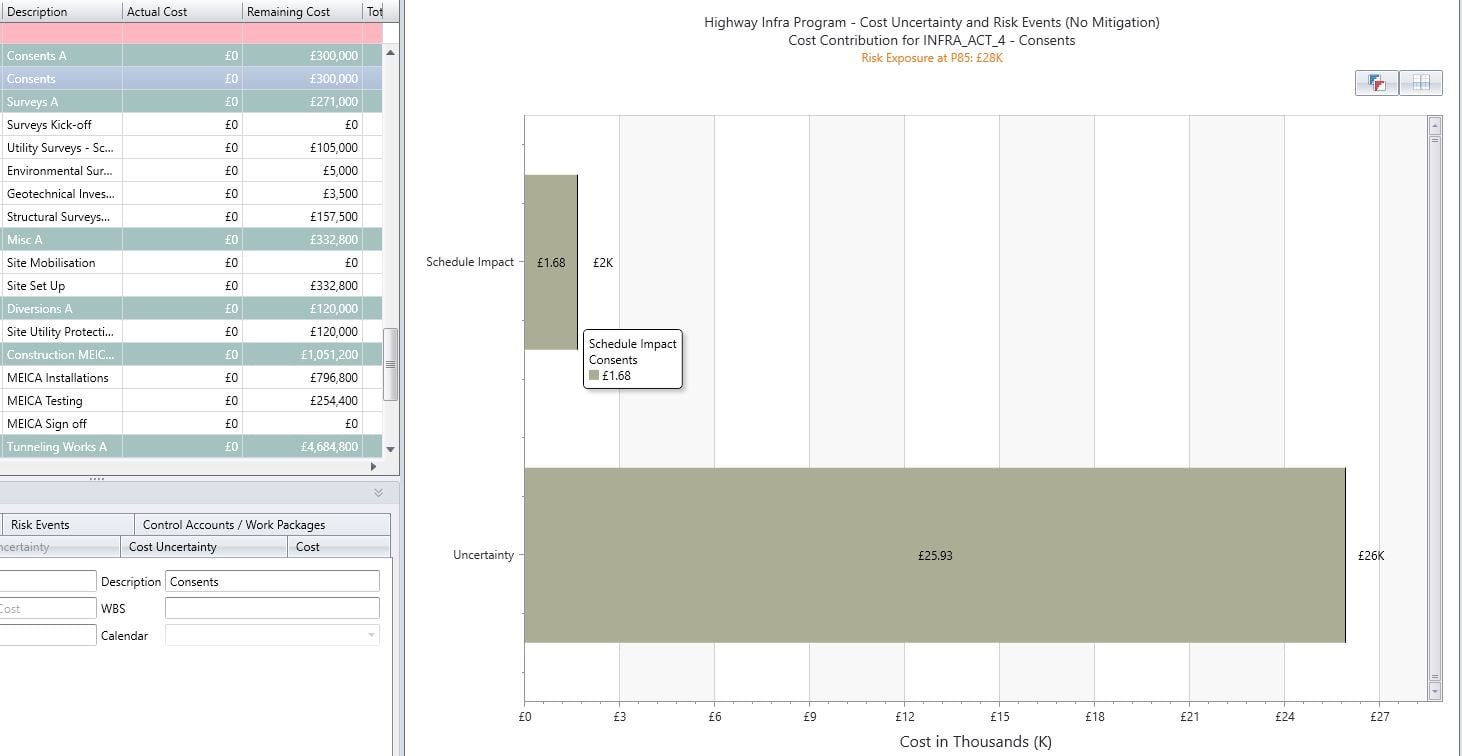
Picture 4: Schedule Contribution to Cost Exposure
Other enhancements
Acumen 8.9 aligns with new developments in industry standards such as DECM and IPMDAR, offers integration options with mainstream scheduling platforms, and carries upgraded encryption and hashing protocols, making the data protection more secure.
Conclusion
Deltek PPM is committed to purposeful innovation in delivering the best capabilities to our customers. We are excited to provide advanced features to our clients and hope they offer significant value to their daily operations.
Demo
Reduce Risk and Deliver on Time
See how Acumen can improve schedule quality, reduce risk, and give your team the clarity to deliver with confidence.